
This page focuses on product & technology selection for ammonia synthesis applications with actionable Honeywell product guidance.
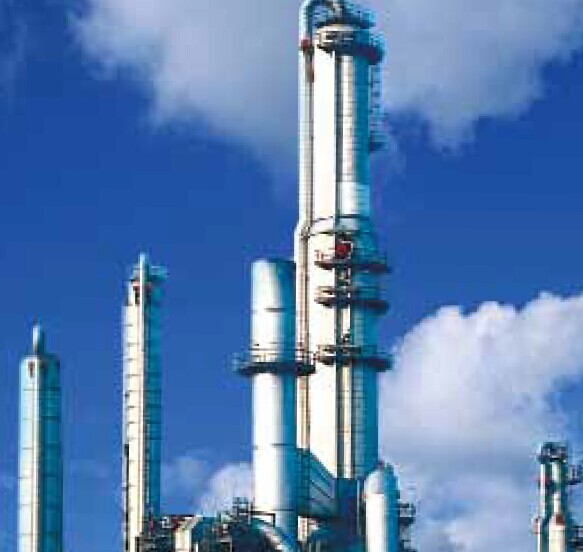
For ammonia synthesis applications, detector selection should cover sensing principle, range, response time, hazardous area rating, ingress protection, and maintenance. Electrochemical NH₃ in ammonia zones; hydrogen sensor selection for synthesis loop; IR LEL in dusty catalyst areas; O₂ in nitrogen-purged zones.
| Gas | Recommended principle | Rationale / notes |
|---|---|---|
| H₂ (%LEL) | Catalytic bead or thermal conductivity | IR does not detect hydrogen; thermal conductivity suits high concentrations |
| H₂ (ppm leak) | Electrochemical | Early small-leak detection protects catalyst and personnel |
| NH₃ | Electrochemical | Watch drift in high humidity; choose temperature-compensated models |
| CO / H₂S | Electrochemical | Standard toxic solution, 2–3 year sensor life |
| Combustibles in compressor halls | Open-path IR (optional) | Line coverage across large spans, interference-resistant |
Protection: most ammonia areas are Zone 2 hazardous locations requiring Ex-certified equipment; refrigeration rooms are humid — IP66 or better is recommended.